


What's Important to Talk About with Children
Knowledge about personal safety matters not only during the school year, but during the holidays tooМ
ПРО ПРОЄКТ
What's Important to Talk About with Children
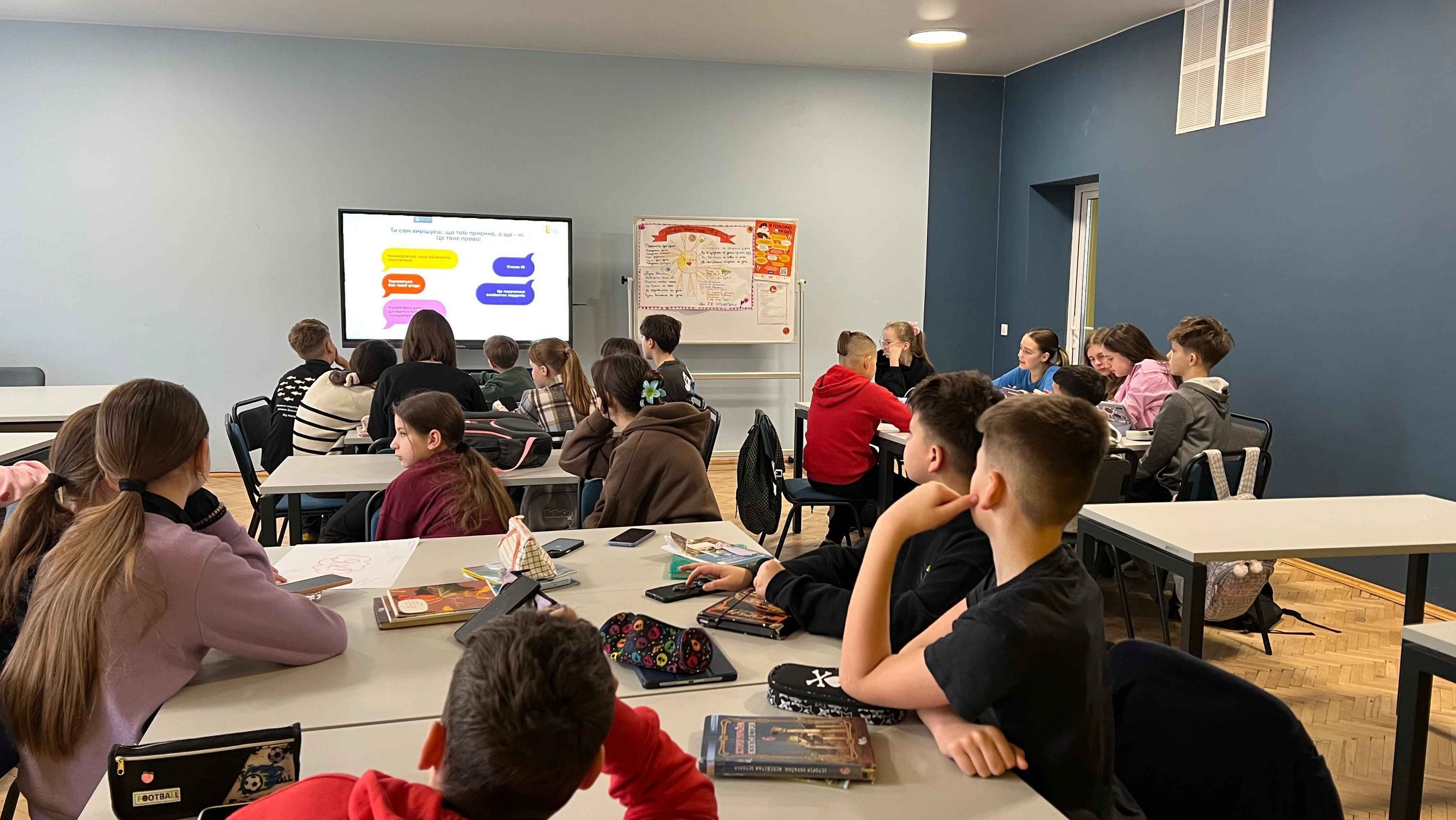
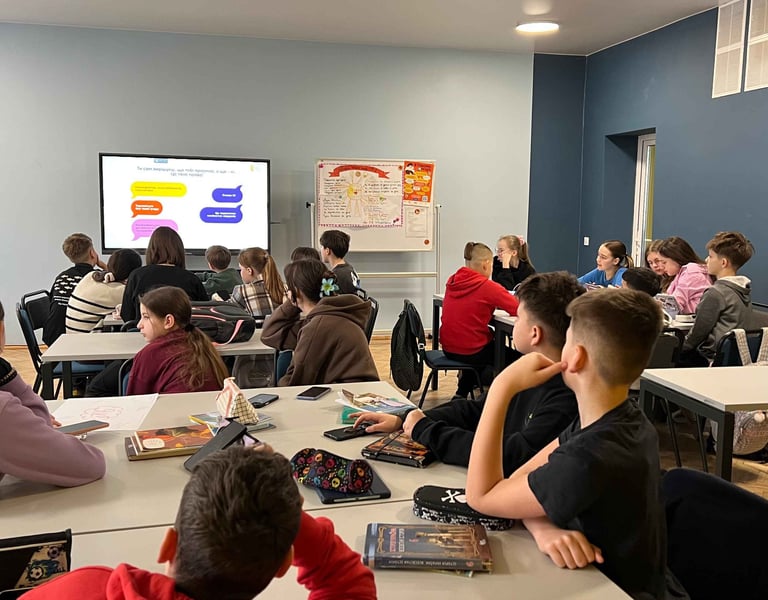
Summer vacation is a time of rest, new experiences, and greater independence for children. At the same time, this is exactly the period when they're more often left without constant adult supervision, spend more time online, and meet new people in the company of friends.
That's why knowledge about personal safety isn't only needed at school. It matters every day — at home, on the street, at camp, online, or while interacting with peers and adults.
Through the HOVORY project, we believe: a child should know which situations are unacceptable, when it's worth asking for help, and exactly who they can talk to about what's troubling them. And that adults are the ones who care for their safety, who will support and protect them when needed. This is exactly why we create educational materials — posters, stickers, videos — that help adults talk to children about safety in simple, understandable language.
"We often talk about children's safety in the context of school, but the risks don't disappear when summer vacation begins. On the contrary — children get more freedom and spend more time online and in new environments. That's why it's important for them to be able to recognize dangerous situations, know their own boundaries, and not be afraid to ask for help. This is exactly why we create materials that remind children of this and help adults start these conversations with kids," says Nataliia Tarnovska, head of projects and programs in the Education direction at UCU's Centre for Child Dignity.
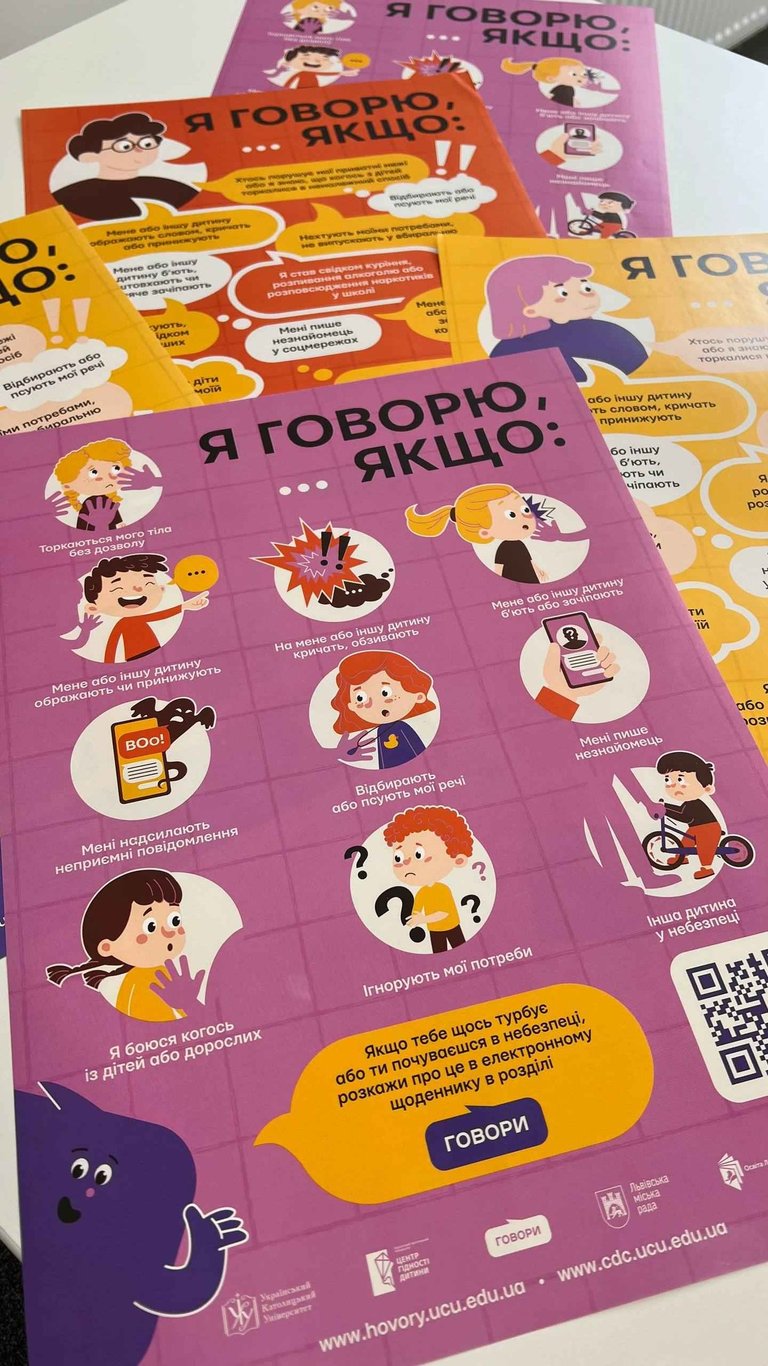
One such tool is our online course "Your Personal Safety," along with stickers and posters that can be displayed in educational spaces. They help children better understand which situations may pose a threat to their safety and which ones they absolutely need to tell an adult about.
It's equally important for adults to be ready to support a child when they work up the courage to talk about a difficult situation. That's why we emphasize simple but very important supportive phrases:
"Your body belongs only to you. No one has the right to touch it without your permission."
"If something makes you uncomfortable, you have the right to say so."
"I believe you."
"You were very brave to tell me about this."
"We will help you."
HOVORY materials aim not only to inform children about risks, but also to build a culture of open communication about safety. After all, a child who knows their rights, understands their own boundaries, and trusts the adults around them has a better chance of getting help in time.
That's why these materials remain relevant not only throughout the school year, but during summer vacation as well — when children need safety knowledge every single day.
You can watch the "Your Personal Safety" online course for different age groups of children on the project's website.
What's important to talk about?
If someone violates your personal boundaries, or you know that someone has been touched inappropriately — Speak up!
If you're being bullied or you've witnessed bullying — Speak up!
If you or another child are hit, pushed, grabbed, or hurt — Speak up!
If you or another child are humiliated, yelled at, or insulted — Speak up!
If someone damages, steals, or takes your belongings — Speak up!
If you're being blackmailed or sent prohibited content online — Speak up!
If a stranger messages you on social media — Speak up!
If your needs are being neglected, you're not allowed to use things, or you're not allowed to go to the bathroom — Speak up!
If adults or children threaten your safety — Speak up!
If you see that another child is in danger — Speak up!
If you've witnessed smoking, alcohol use, or drug distribution — Speak up!
The key message we want children to take away: if something causes fear, discomfort, or feels wrong — you don't have to deal with it alone.
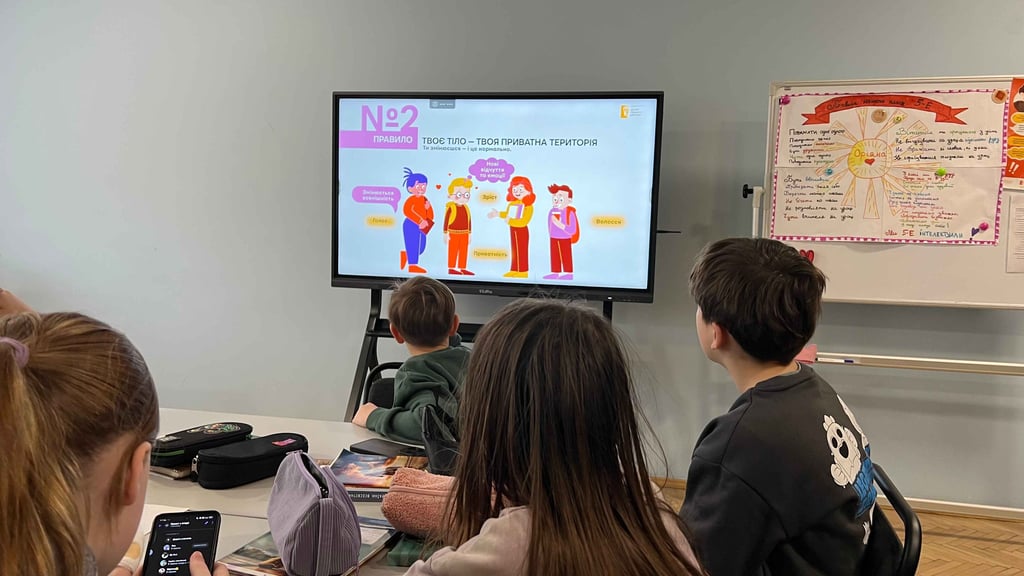
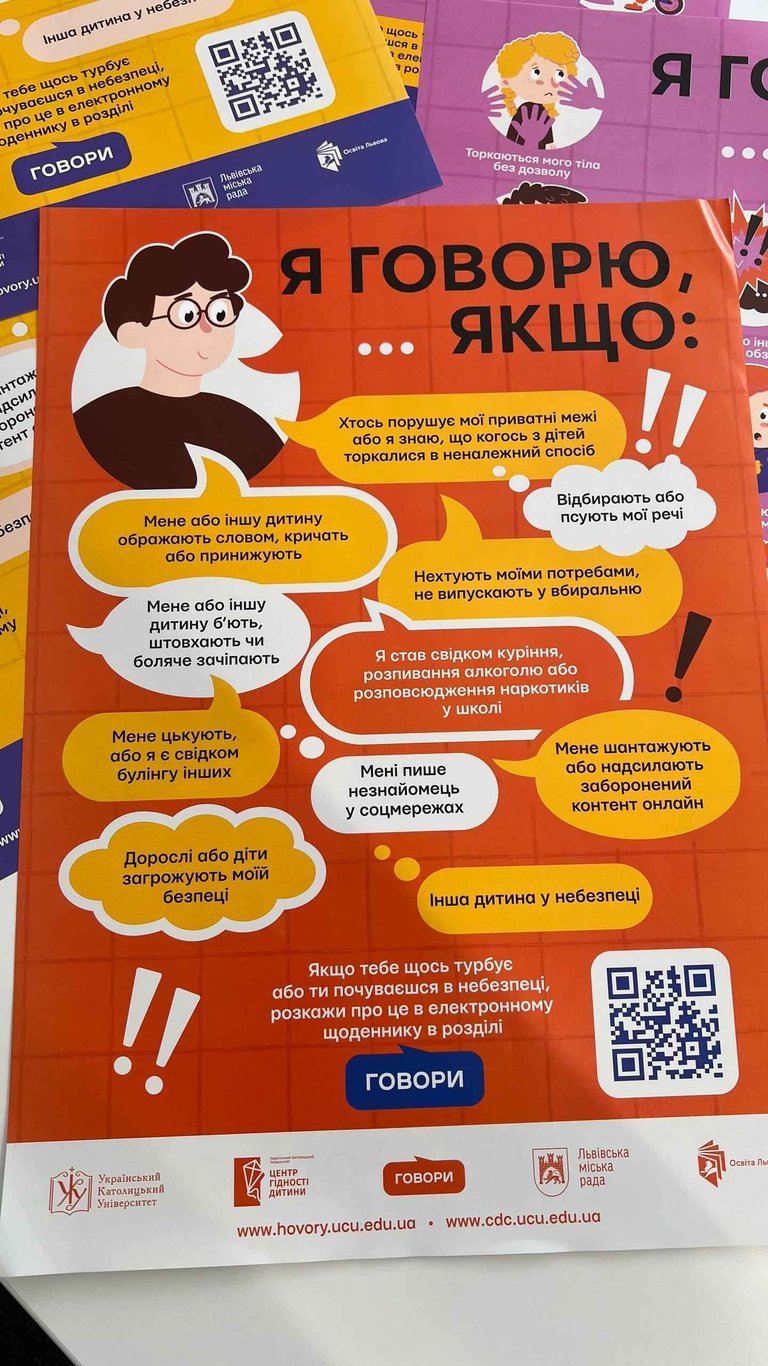
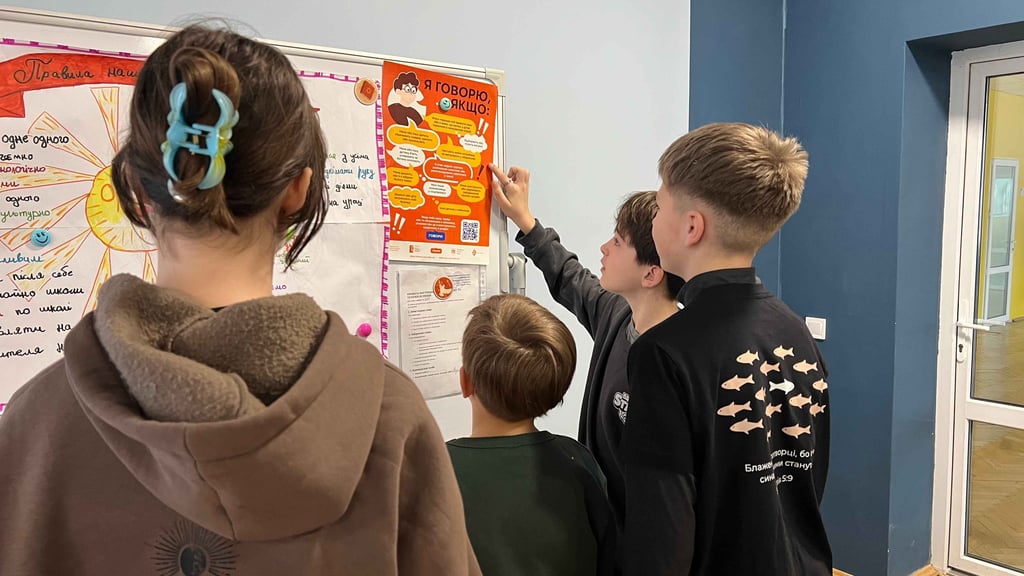
Posters, stickers, and other materials are available as part of the HOVORY program.
cdc@ucu.edu.ua
© Ukrainian Catholic University. All rights reserved. 2026


17 Illia Sventsitskoho St., Lviv, 79011, Ukraine


Site navigation
Contacts
“When children speak - schools change”


