

How to Launch the HOVORY Program in a Community: Lviv's Experience
Launching HOVORY doesn't just mean installing a safety button. It means deciding to change your whole approach: putting the child at the center and creating an environment where their voice matters.
ПРО ПРОЄКТ
How to Launch the HOVORY Program in a Community: Lviv's Experience
Launching HOVORY doesn't just mean installing a safety button. It means deciding to change your whole approach: putting the child at the center and creating an environment where their voice matters.
In Lviv, the program has been rolled out in 128 schools. But behind that number lies more than a technical process — it's work with administrators, principals, teachers, parents, and children. How was it achieved? What worked? And what do communities need if they want to follow this path?
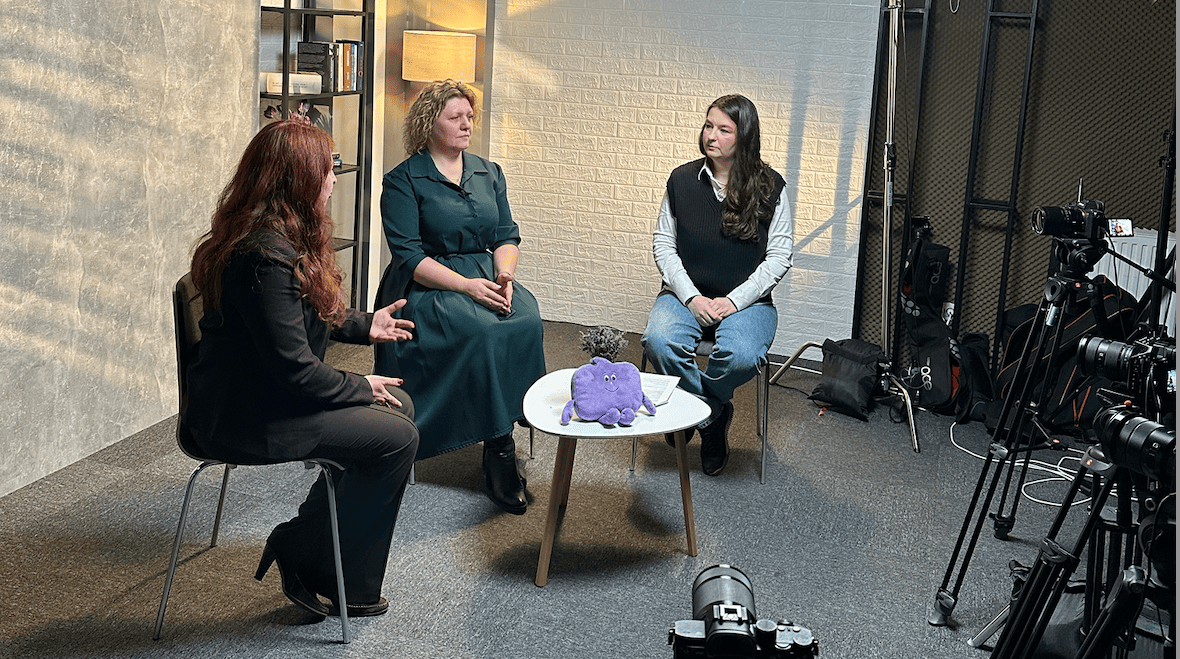
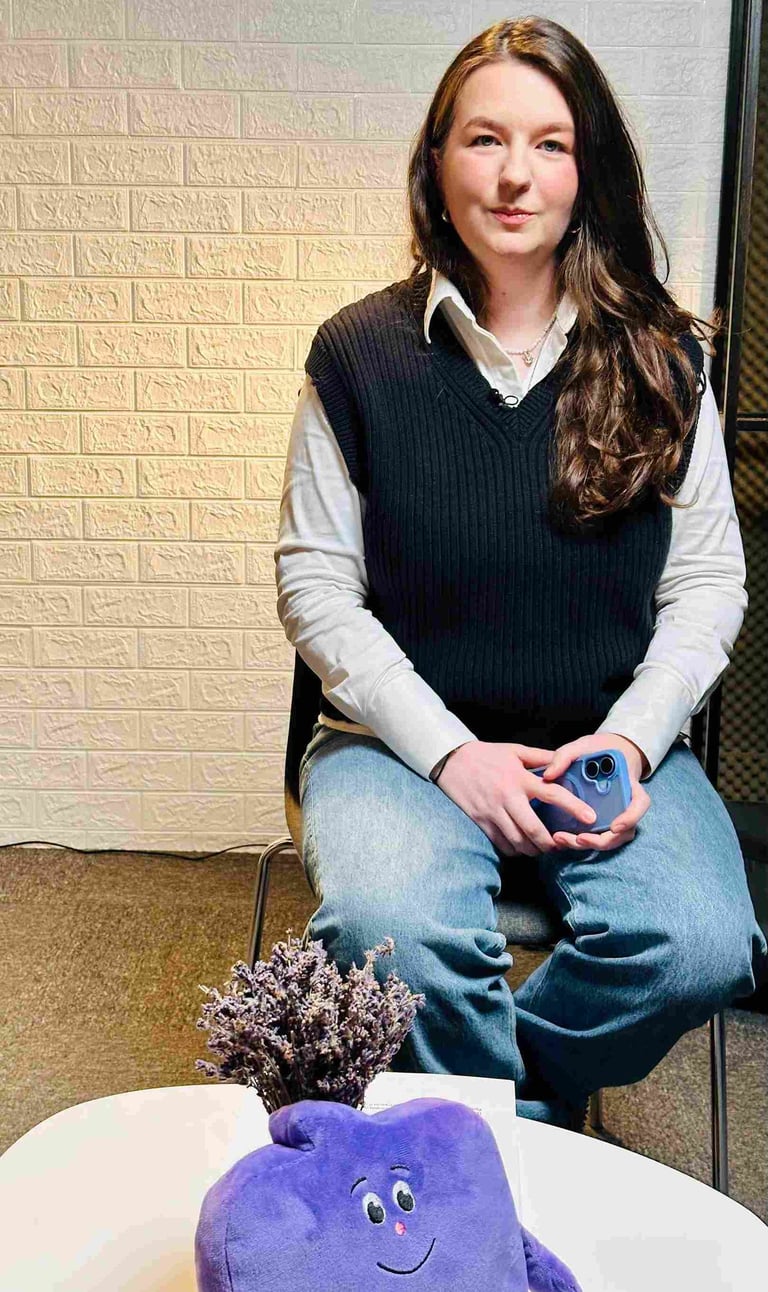
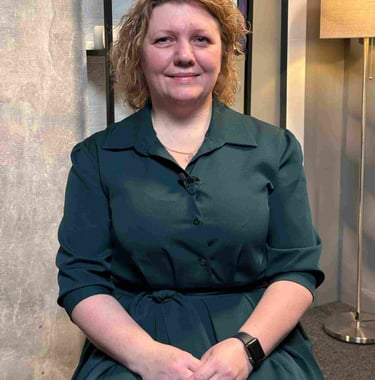
We've gathered key insights from interviews with the people who launched HOVORY at the city and school level: Khrystyna Shabat, head of UCU's Centre for Child Dignity; Olesia Mandziuk, head of the Education Development Department at the Lviv City Council; and Svitlana Matys, principal of Lyceum No. 52 in Lviv.
Khrystyna Shabat, head of UCU's Centre for Child Dignity:
"What makes the project interesting is that it puts the child at the center. We get information not through adults' interpretation, but directly in the child's own words. And the child's subjective sense of safety matters to us, because what might seem like a small thing to an adult can be an entire universe to a child."
Olesia Mandziuk, head of the Education Development Department at the Lviv City Council:
"For Lviv schools, the HOVORY project is a zone of safety. A school should be a space where a child feels protected and knows: if something's wrong, they can say so. And they will be heard."
Svitlana Matys, principal of Lyceum No. 52 in Lviv:
"Today children face many problems and aren't always ready to share them. Often they can't resolve these issues on their own. That's why a tool is needed that helps them find support and a way to resolve the situation."
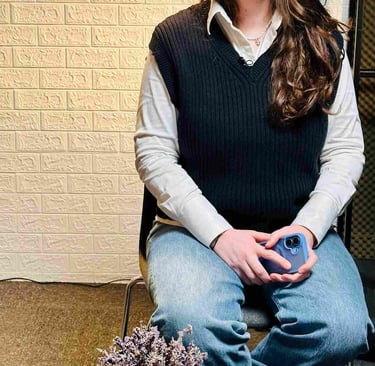
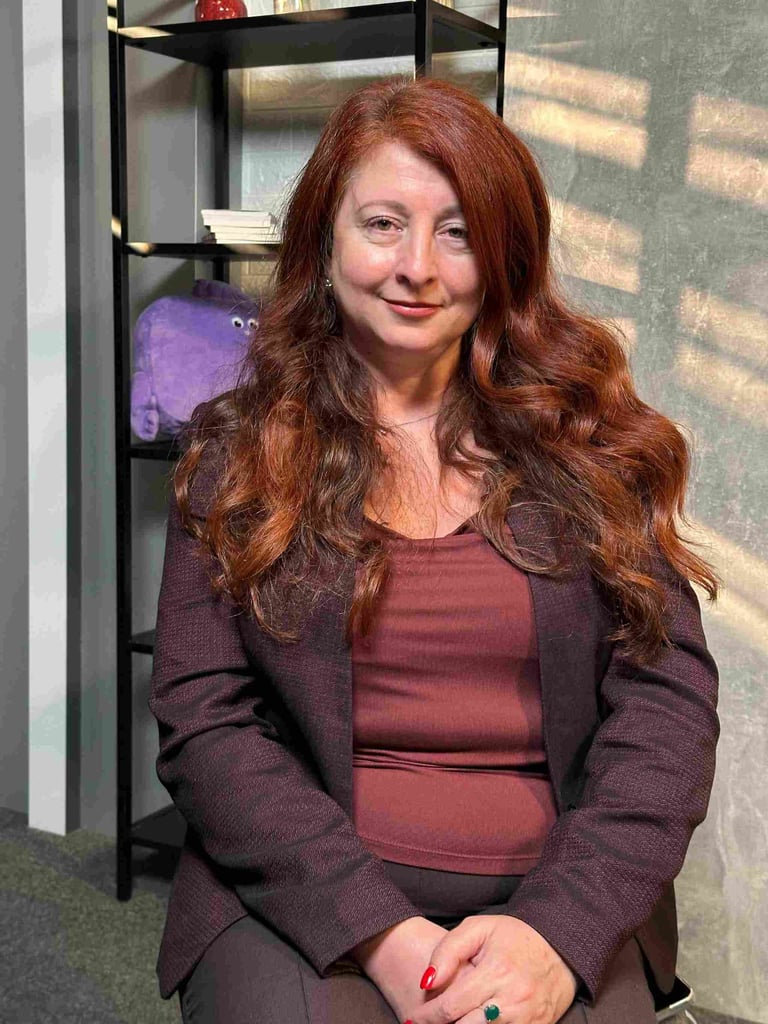
Khrystyna Shabat, head of UCU's Centre for Child Dignity:
"The HOVORY program is, first and foremost, about building a culture of safety. The button is just a technical reinforcement. Where there's a culture of trust, children aren't afraid to turn to teachers, psychologists, the principal, or their parents."
Olesia Mandziuk, head of the Education Development Department at the Lviv City Council:
"This isn't just about a solution — it's about values. When you understand why and for whom you're doing this, bureaucratic obstacles become secondary. We're talking about consistency and continuity, not a one-time campaign. It's part of broader work — raising children in an environment that doesn't tolerate violence. And that's exactly how the culture forms that children will carry forward into their adult lives."
Svitlana Matys, principal of Lyceum No. 52 in Lviv:
"We designated a responsible person to coordinate the handling of messages. We held separate meetings with teachers to explain the response protocol, and we talked it through with the children too. It was important for everyone to understand how the system works, who responds, and what happens after someone reaches out.
This tool isn't about punishment. It's about growth, about the chance to hear a child and change the environment around them. You just have to be brave enough to recognize that everyone has the right to be heard."
Lviv's experience shows: a culture of safety doesn't form in a single week. It requires consistency, a willingness to listen, and the courage to implement new approaches. But the result — a school where a child knows their voice matters — is worth the effort.
Anyone who wants to register for the program can do so here:
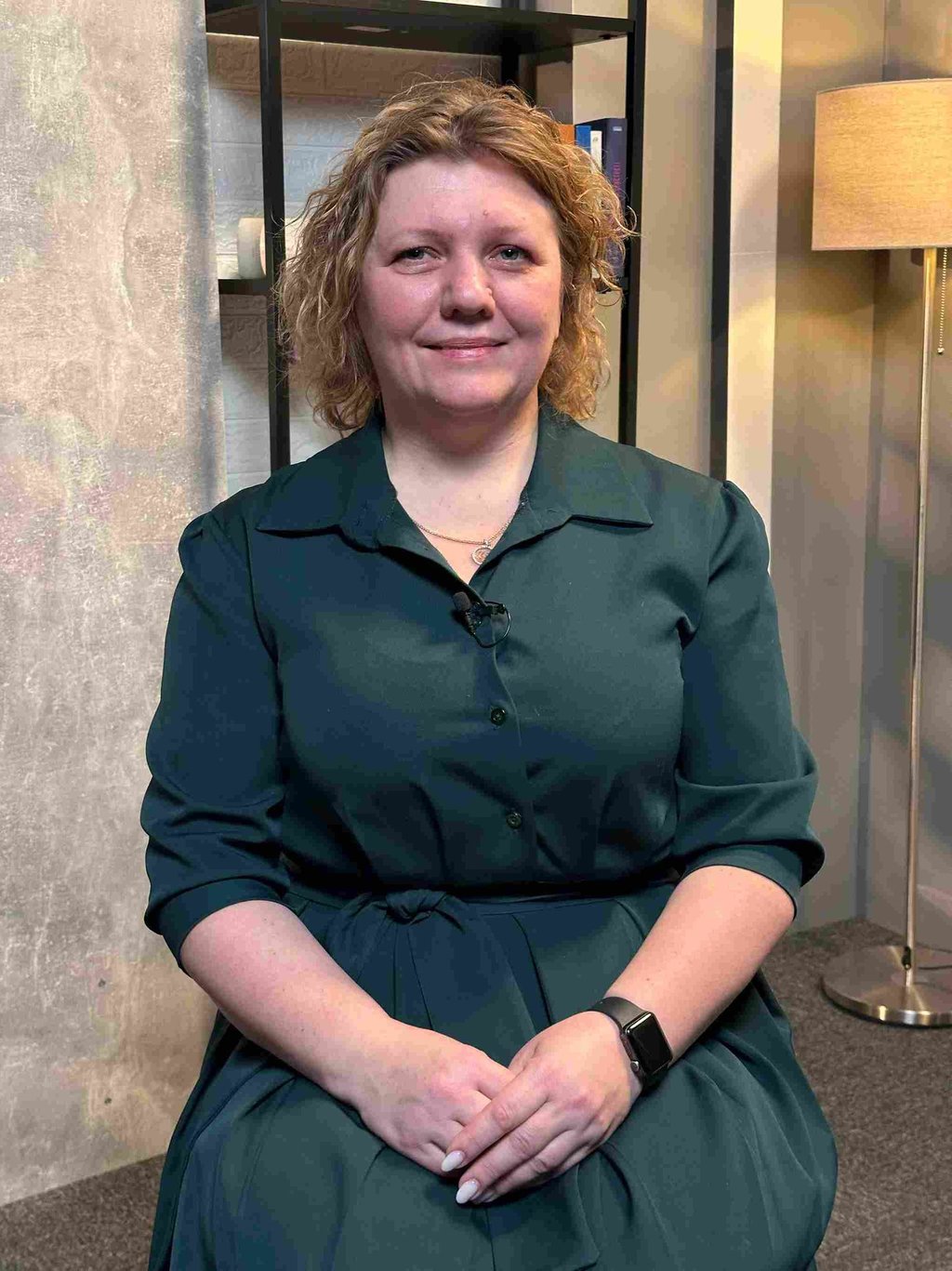
The essence and purpose of the HOVORY project
How the project was launched in Lviv
What do communities need to implement the HOVORY program?
Khrystyna Shabat, head of UCU's Centre for Child Dignity:
"When we talk about the HOVORY project, we're talking about engaging everyone involved in the educational process — parents, teachers, and children alike. Each group has its own materials: for parents, explanations of how the system works; for teachers, training and ready-made lessons; for children, online courses and the safety button. It's a comprehensive approach, not a single tool."
Olesia Mandziuk, head of the Education Development Department at the Lviv City Council:
"At the city level, it was important for us not just to have an idea, but to understand how it would work technically. We talked with school administrators and answered difficult questions about confidentiality, accountability, and response protocols. Only after that could we move on to piloting it.
Administrative access is needed to understand trends, analyze challenges, and provide timely support. Many of the messages aren't about bullying, but the child still needs to talk and needs help."
Svitlana Matys, principal of Lyceum No. 52 in Lviv:
"We had our fears. It seemed like it could turn into a flood of messages, an extra burden. But we decided to test it out. And we saw that it's not about chaos — it's about organized feedback.
When a child is alone with the screen, no one is watching or listening in. They can honestly describe their situation and know there will be a response on the other end. That element of trust turned out to be decisive."

cdc@ucu.edu.ua
© Ukrainian Catholic University. All rights reserved. 2026


17 Illia Sventsitskoho St., Lviv, 79011, Ukraine


Site navigation
Contacts
“When children speak - schools change”


